What Is Modular Garage Flooring?
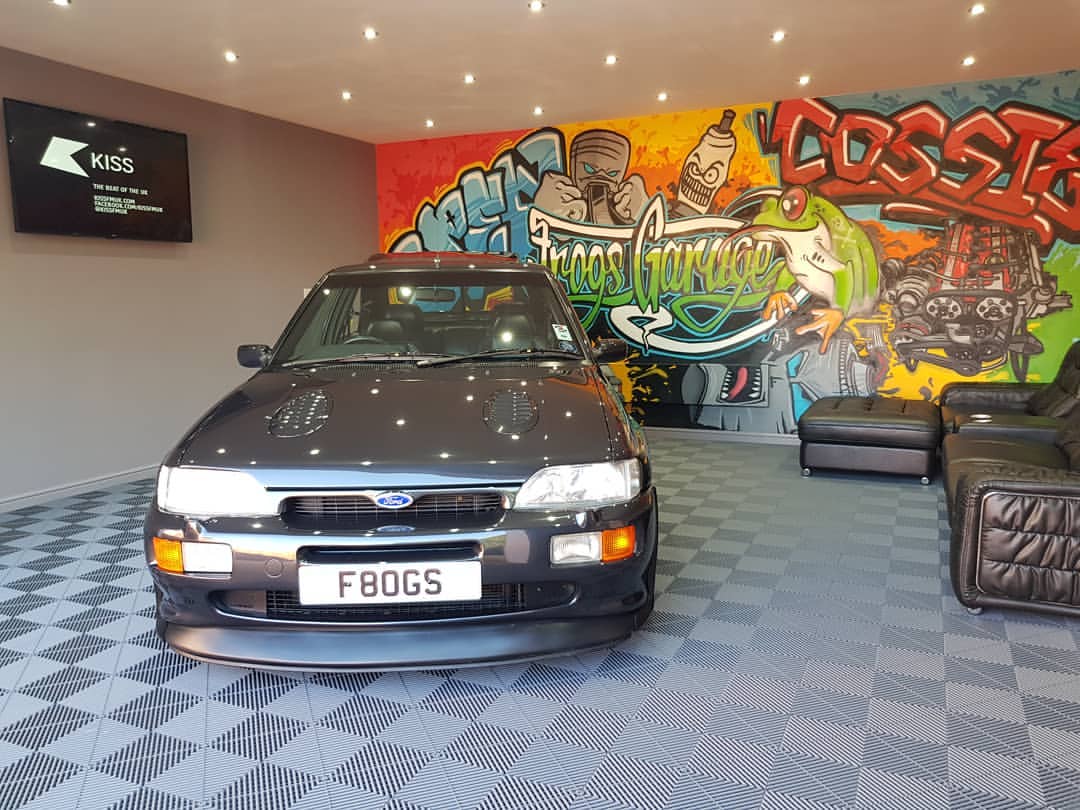
Modular garage flooring is a surface system made from interlocking tiles that sit directly over a concrete floor. Instead of coating or permanently altering the concrete, modular flooring creates a raised, removable surface designed for durability, drainage, and easy installation.
Most modular garage flooring systems use heavy-duty polypropylene tiles that clip together without adhesives. This allows garages, workshops, and vehicle spaces to be upgraded quickly without specialist tools or long curing times.


How Does Modular Garage Flooring Work?
Modular garage flooring works by distributing weight across a grid structure built into each tile. When tiles are clipped together, they form a stable, load-bearing surface that can support vehicles, equipment, and regular foot traffic.
Many systems are ventilated, meaning air can circulate beneath the tiles. This helps manage moisture from condensation, wet tyres, or minor water ingress.
Because the tiles are separate units, individual sections can be removed or replaced if required.
What Is Modular Garage Flooring Made From?
Most high-quality modular garage flooring is manufactured from heavy-duty polypropylene. This material is chosen because it is:
-
Resistant to oil and common garage chemicals
-
Durable under vehicle weight
-
Suitable for repeated use
-
Easy to clean and maintain
The strength of the material and the tile design determine how suitable the system is for domestic garages, workshops, or professional environments.
Modular Garage Flooring vs Epoxy
One of the most common comparisons is modular tiles versus epoxy coatings.
Epoxy flooring bonds directly to concrete and creates a sealed surface. Modular flooring sits on top of the concrete and remains removable.
Key differences include:
-
Installation time
-
Permanence
-
Moisture management
-
Repair and maintenance
-
Surface flexibility
Both systems have use cases, but modular flooring is often chosen when fast installation, ventilation, and replaceability are priorities.

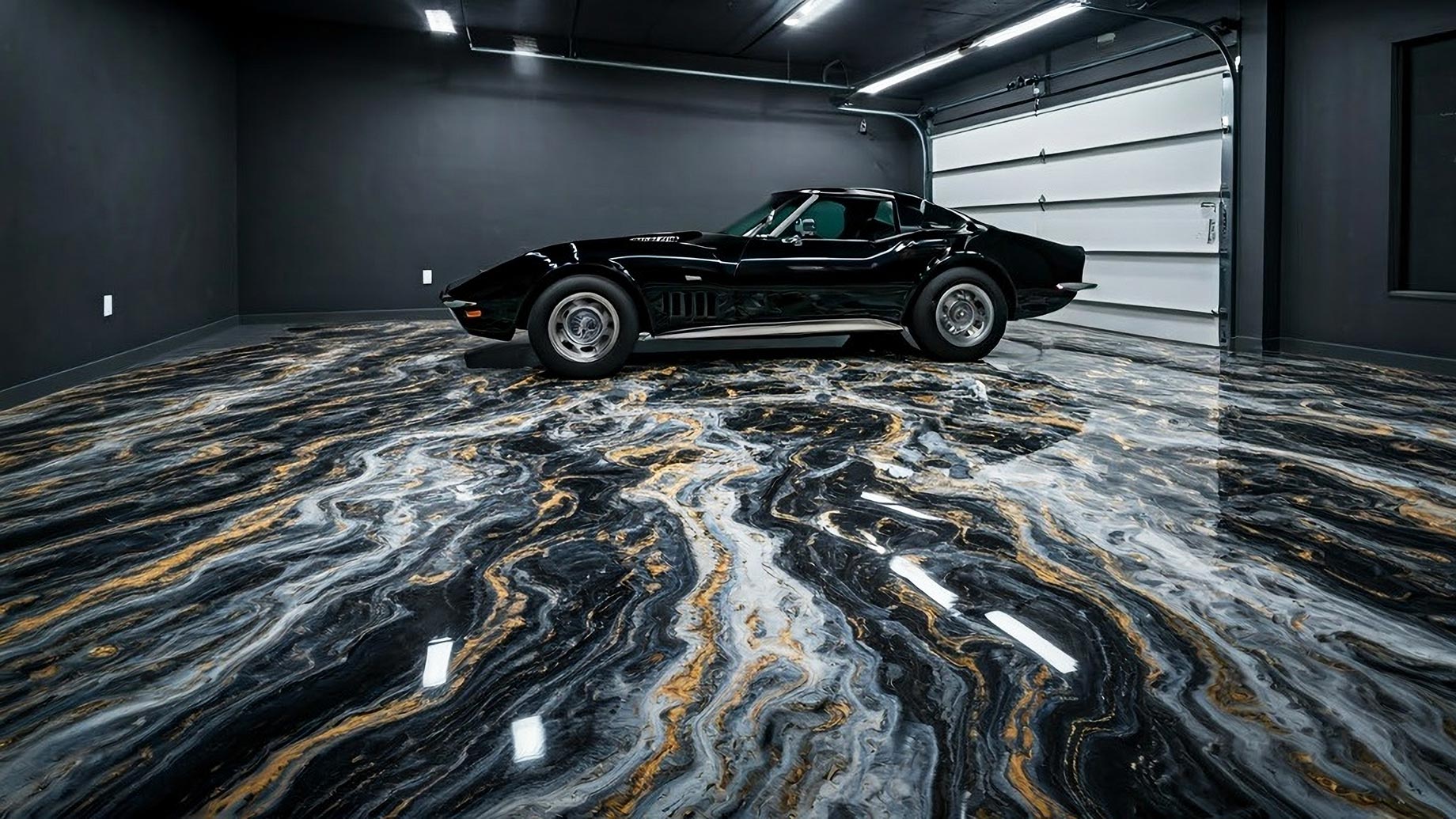
If you want more details about Swisstrax VS Epoxy, Click here for our new article.
Where Is Modular Garage Flooring Used?
Modular garage flooring is commonly used in:
-
Performance car storage spaces
-
Classic car collections
Its flexibility makes it suitable for both personal and professional environments.

Is Modular Garage Flooring Easy to Install?
Yes. Most interlocking garage tile systems are designed for straightforward installation. Tiles are laid over a clean, level surface and clipped together. Edging pieces can be added for a finished appearance.
No adhesives or specialist equipment are typically required. Our guide on how to install garage floor tiles walks through each step, and installing garage tiles over concrete covers subfloor preparation.
Is Modular Garage Flooring Durable?
Durability depends on the tile specification. Heavy-duty systems are designed to support vehicle weight and resist oils and chemicals commonly found in garages.
Higher-grade modular flooring is suitable for repeated vehicle use and regular cleaning.
Should You Choose Modular Garage Flooring?
Modular garage flooring is suited to those who want a durable, upgradeable surface without permanently altering their concrete base. Its ease of installation, ventilation design, and replaceable tile system make it a practical option for many garages and workshops.
When specified correctly, modular flooring provides a clean, structured finish that supports both everyday vehicle use and specialist automotive environments.
To weigh it up against the alternatives, read our guide to the best garage flooring options in the UK and the pros and cons of garage floor tiles, or browse our full range of garage floor tiles.
Frequently Asked Questions
Can modular garage flooring hold a car?
Yes. High-quality modular garage flooring is designed to distribute vehicle weight evenly across the surface.
Does modular flooring trap moisture underneath?
Ventilated tile systems allow air circulation beneath the floor, helping manage condensation and minor water exposure.
Can damaged tiles be replaced?
Yes. Individual tiles can be unclipped and replaced without lifting the entire floor.
Is modular flooring permanent?
No. It is designed to be removable, making it suitable for rented properties or temporary installations.
Is it better than painted concrete?
Painted concrete can wear over time. Modular flooring creates a separate surface layer designed for durability and ease of maintenance.